


Gout is a painful, inflammatory form of arthritis. Those affected will typically feel an intense stiffness in the joints of their feet, particularly in the big toe. Schedule a visit to learn about how gout can be managed and treated.
Gout is a painful, inflammatory form of arthritis. Those affected will typically feel an intense stiffness in the joints of their feet, particularly in the big toe. Schedule a visit to learn about how gout can be managed and treated.

A stress fracture is a tiny crack in a bone caused by repeated pressure. In the foot, these injuries often affect the long bones that connect the toes to the middle of the foot. These bones absorb force when you push while walking or running. Pain usually begins gradually and becomes stronger with activity. The sore area may feel tender when touched. Swelling of the foot or bruising can develop. Unlike a sudden break caused by an accident, a stress fracture can develop without one clear injury. Daily movement may become painful.
A sudden change in activity is a leading cause of stress fractures. Running farther than usual or increasing exercise days can place more pressure on bones than they can handle. People who rarely walk far can also develop an injury after a busy vacation. Uneven ground adds to the risk. Changes in how the foot moves can increase risk when a bunion changes weight distribution. Shoes that lack proper support can also affect how the foot absorbs impact. A podiatrist can examine your walking pattern and identify factors contributing to the injury.
Treatment aims to protect the injured bone while it heals. A podiatrist examines the painful area and orders imaging to help confirm a stress fracture. Treatment options include a protective walking boot, crutches, or custom shoe inserts to help reduce pressure on the affected bone. A podiatrist also evaluates your shoes and may recommend a stiff-soled design that limits painful bending. Follow-up visits help track healing and guide a safe return to activity. Continuing to push through pain can delay recovery. If you have symptoms of a foot stress fracture, it is suggested that you schedule an appointment with a podiatrist for diagnosis and treatment.
Activities where too much pressure is put on the feet can cause stress fractures. To learn more, contact Dr. Richard DiMario from Maine. Our doctor can provide the care you need to keep your pain free and on your feet.
Dealing with Stress Fractures of the Foot and Ankle
Stress fractures occur in the foot and ankle when muscles in these areas weaken from too much or too little use. The feet and ankles then lose support when walking or running from the impact of the ground. Since there is no protection, the bones receive the full impact of each step. Stress on the feet can cause cracks to form in the bones, thus creating stress fractures.
What Are Stress Fractures?
Stress fractures occur frequently in individuals whose daily activities cause great impact on the feet and ankles. Stress factors are most common among:
Symptoms
Pain from the fractures occur in the area of the fractures and can be constant or intermittent. It will often cause sharp or dull pain with swelling and tenderness. Engaging in any kind of activity which involves high impact will aggravate pain.
If you have any questions please contact our office located in York, ME . We offer the newest diagnostic and treatment technologies for all your foot and ankle needs.
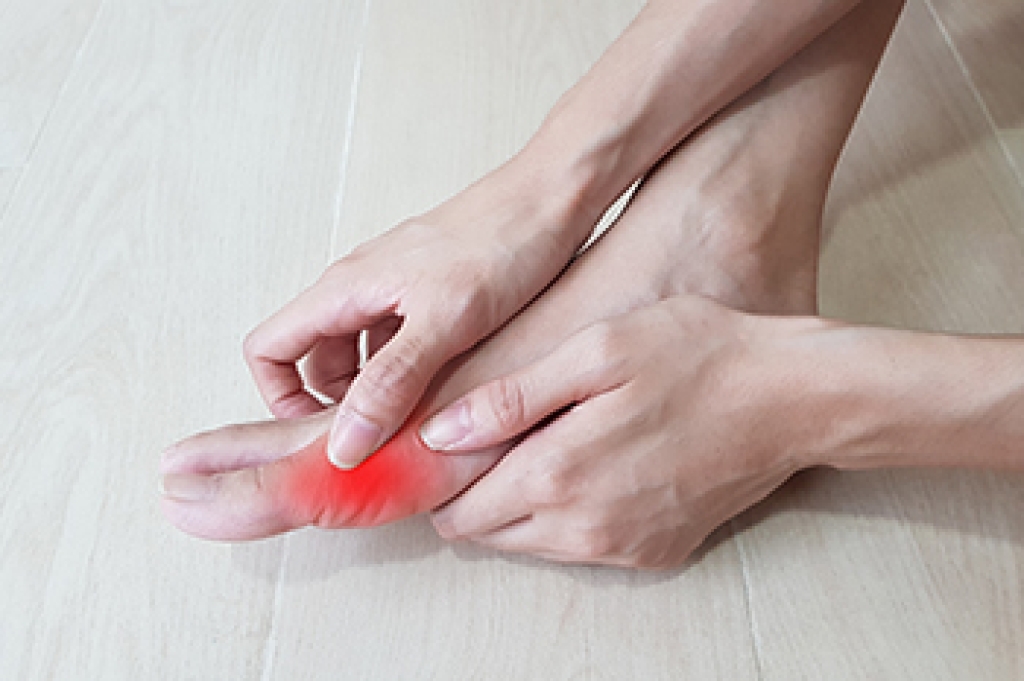
Gout can cause intense foot pain that appears with little warning. It develops when excess uric acid builds up in the body and forms needle-like crystals inside a joint. Uric acid is produced naturally and also comes from the breakdown of substances called purines, which are found in many foods. The kidneys normally remove uric acid from the blood. When too much remains, crystals can collect in joints and trigger inflammation. The first gout attack frequently affects the large joint of the big toe. The ankles and heels can also become painful.
A gout attack can begin suddenly, sometimes after a person goes to bed feeling fine. The affected joint can become swollen, stiff, and tender. It can also feel warm or appear red. Pain can last for hours or continue much longer. Several factors can raise the risk of gout, including family history, kidney problems, and excess body weight. Certain medications can also contribute. Foods high in purines and heavy alcohol intake can increase the risk of a flare. Without proper management, repeated gout attacks can damage joints and limit mobility.
A podiatrist can evaluate sudden foot pain and determine whether symptoms are consistent with gout or another foot problem. The examination can focus on the painful joint, swelling, and changes in movement. Because gout can resemble other forms of arthritis or a joint infection, an accurate diagnosis is important. A podiatrist can develop a treatment plan to address foot pain and protect joint function. Care can also focus on reducing pressure on painful areas and improving mobility after inflammation settles. If you have symptoms of gout, it is suggested that you are under the care of a podiatrist who can help you to manage this serious condition.
Gout is a foot condition that requires certain treatment and care. If you are seeking treatment, contact Dr. Richard DiMario from Maine. Our doctor will treat your foot and ankle needs.
What Is Gout?
Gout is a type of arthritis caused by a buildup of uric acid in the bloodstream. It often develops in the foot, especially the big toe area, although it can manifest in other parts of the body as well. Gout can make walking and standing very painful and is especially common in diabetics and the obese.
People typically get gout because of a poor diet. Genetic predisposition is also a factor. The children of parents who have had gout frequently have a chance of developing it themselves.
Gout can easily be identified by redness and inflammation of the big toe and the surrounding areas of the foot. Other symptoms include extreme fatigue, joint pain, and running high fevers. Sometimes corticosteroid drugs can be prescribed to treat gout, but the best way to combat this disease is to get more exercise and eat a better diet.
If you have any questions, please feel free to contact our office located in York, ME . We offer the newest diagnostic and treatment technologies for all your foot care needs.

Foot biomechanics describes how the feet, joints, and bones work together during standing and movement. Each foot contains 26 bones that create a flexible, yet supportive structure. These bones help absorb impact, maintain balance, and move the body forward. Healthy biomechanics allow the foot to adapt to different surfaces while supporting normal walking and running. Problems with alignment or movement can contribute to foot pain, ankle pain, and uneven pressure.
The foot bones are divided into three groups. The tarsals are seven bones located around the heel and midfoot. They help form the ankle area and provide stability while absorbing force. The five metatarsals connect the midfoot to the toes and help distribute weight during each step. The 14 phalanges form the toes and assist with balance and push-off. Together, these bones create a coordinated foundation that supports the body during activity.
Foot biomechanics can change when the bones, joints, or surrounding tissues do not move normally. Risk factors include previous injuries, structural differences, and repetitive activity. Symptoms may include arch pain, heel pain, or discomfort while walking. A podiatrist evaluates symptoms, examines foot alignment, and observes how the feet move. Treatment may include wearing supportive footwear, custom orthotics, or other targeted care. Imaging tests may be recommended when a bone or joint injury is suspected.
Understanding foot biomechanics can make it easier to recognize why proper support matters. The tarsals provide stability, the metatarsals help distribute pressure, and the phalanges contribute to balance and push-off. These bones do not work separately. Their coordinated movement helps create an efficient stride and reduces stress. If foot or ankle pain affects your movement, it is suggested that you consult a podiatrist for an accurate diagnosis and appropriate treatment.
If you have any concerns about your feet, contact Dr. Richard DiMario from Maine. Our doctor can provide the care you need to keep you pain-free and on your feet.
Biomechanics in Podiatry
Podiatric biomechanics is a particular sector of specialty podiatry with licensed practitioners who are trained to diagnose and treat conditions affecting the foot, ankle and lower leg. Biomechanics deals with the forces that act against the body, causing an interference with the biological structures. It focuses on the movement of the ankle, the foot and the forces that interact with them.
A History of Biomechanics
Modern technological improvements are based on past theories and therapeutic processes that provide a better understanding of podiatric concepts for biomechanics. Computers can provide accurate information about the forces and patterns of the feet and lower legs.
Understanding biomechanics of the feet can help improve and eliminate pain, stopping further stress to the foot.
If you have any questions please feel free to contact our office located in York, ME . We offer the newest diagnostic and treatment technologies for all your foot and ankle needs.

Cracked heels develop when dry, thickened skin around the heel loses flexibility and begins to split. These splits, also called heel fissures, may start as small lines and gradually become deeper. Symptoms can include itching, redness, and rough skin. More serious cracks may bleed and become painful during walking. Because the heels support much of the body's weight, repeated pressure can make the condition worse and interfere with comfortable daily activities.
Several everyday habits can increase the risk of cracked heels. Standing for long periods of time places repeated pressure on the heel and may cause dry skin to split. Walking barefoot offers little protection from rough surfaces and can increase friction. Being overweight may place additional pressure on the heels. Other risk factors include dry skin, wearing poorly fitting footwear, and prolonged exposure to dry environments. People who notice thick, callused skin should take steps to keep their heels protected and moisturized.
A podiatrist can examine the heels and determine how deep the cracks have become. The skin may be carefully reduced to remove thickened areas that contribute to pressure. A podiatrist may recommend a medical-grade moisturizer or protective dressing to support healing. Supportive footwear can also help reduce stress on the heels. If bleeding, infection, or another skin condition is present, additional treatment may be needed. Following podiatric guidance can help the skin heal safely and lower the chance of recurring fissures.
You can help prevent cracked heels by moisturizing regularly and wearing supportive shoes that protect the heel. Avoid walking barefoot on hard surfaces when possible. If standing is required for work, take opportunities to rest your feet throughout the day. Do not cut or aggressively scrape thickened skin at home. Persistent itching, redness, or bleeding should be evaluated promptly. If you have painful cracked heels, it is suggested that you consult a podiatrist for effective treatment solutions, which may include prescribed medication.
Cracked heels are unsightly and can cause further damage to your shoes and feet. If you have any concerns, contact Dr. Richard DiMario from Maine. Our doctor can provide the care you need to keep you pain-free and on your feet.
Cracked Heels
Cracked heels appear unappealing and can make it harder for you walk around in sandals. Aside from looking unpleasant, cracked heels can also tear stockings, socks, and wear out your shoes. There are several methods to help restore a cracked heel and prevent further damage.
How Do You Get Them?
Dry skin is the number one culprit in creating cracked heels. Many athletes, walkers, joggers, and even swimmers suffer from cracked heels. Age and skin oil production play a role to getting cracked heels as well.
Promote Healing
Over the counter medicines can help, especially for those that need instant relief or who suffer from chronic dry feet.
Wear Socks – Wearing socks with medicated creams helps lock in moisture.
Moisturizers – Applying both day and night will help alleviate dryness which causes cracking.
Pumice Stones – These exfoliate and remove dead skin, which allows for smoother moisturizer application and better absorption into the skin.
Change in Diet
Eating healthy with a well-balanced diet will give the skin a fresh and radiant look. Your body responds to the kinds of food you ingest. Omega-3 fatty acids and zinc supplements can also revitalize skin tissue.
Most importantly, seek professional help if unsure how to proceed in treating cracked heels. A podiatrist will help you with any questions or information needed.
If you have any questions, please feel free to contact our office located in York, ME . We offer the newest diagnostic and treatment technologies for all your foot care needs.