Blog

When Heel Pain Has a Hidden Cause

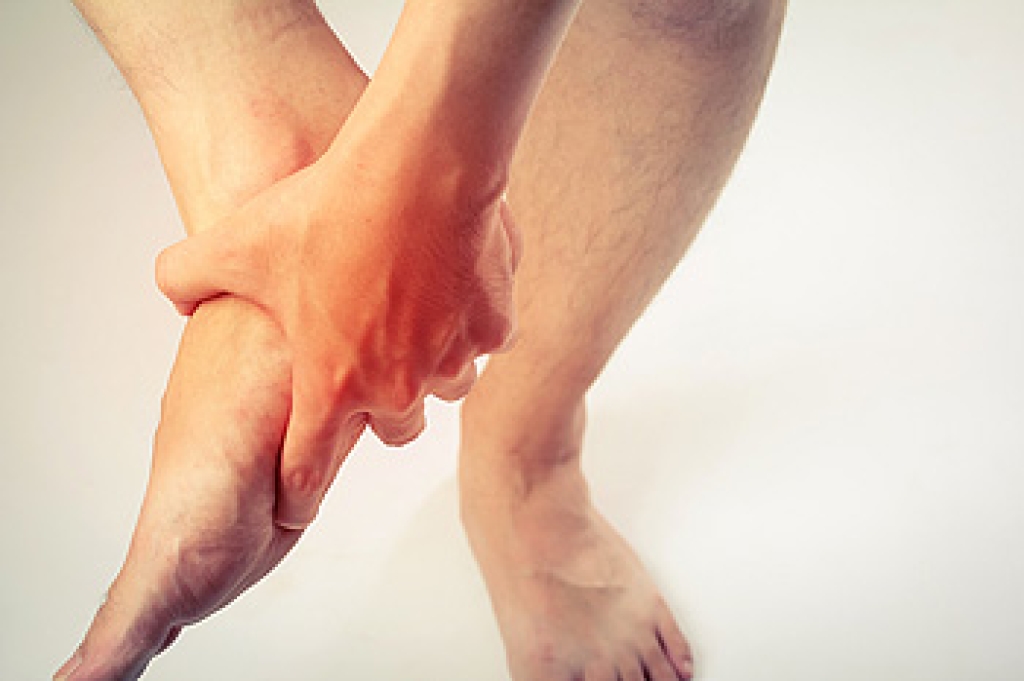
Chronic heel pain is often linked to plantar fasciitis, often caused by irritation and inflammation of the thick band of tissue that supports the arch and connects the heel to the toes. However, in some cases, the source of discomfort may involve nearby muscles and nerves rather than the plantar fascia alone. Tightness in the calf, especially deeper muscles in the lower leg, can place added pressure on structures that travel toward the foot. This may lead to ongoing heel pain, tenderness, burning, or discomfort that does not improve with standard treatments such as stretching, shoe changes, or activity modification. Careful evaluation can help determine whether nerve irritation or muscle-related tension is contributing to symptoms. Treatment options may vary based on the cause and can include targeted therapies aimed at relieving pressure and reducing pain. Identifying the true source of heel discomfort is important when symptoms continue despite conservative care. If your heel pain has become persistent or has not improved with initial treatment, it is suggested that you visit a podiatrist for a thorough evaluation.

Many people suffer from bouts of heel pain. For more information, contact Dr. Richard DiMario of Maine. Our doctor can provide the care you need to keep you pain-free and on your feet.

Causes of Heel Pain

Heel pain is often associated with plantar fasciitis. The plantar fascia is a band of tissues that extends along the bottom of the foot. A rip or tear in this ligament can cause inflammation of the tissue.

Achilles tendonitis is another cause of heel pain. Inflammation of the Achilles tendon will cause pain from fractures and muscle tearing. Lack of flexibility is also another symptom.

Heel spurs are another cause of pain. When the tissues of the plantar fascia undergo a great deal of stress, it can lead to ligament separation from the heel bone, causing heel spurs.

Why Might Heel Pain Occur?

  • Wearing ill-fitting shoes                
  • Wearing non-supportive shoes
  • Weight change           
  • Excessive running

Treatments

Heel pain should be treated as soon as possible for immediate results. Keeping your feet in a stress-free environment will help. If you suffer from Achilles tendonitis or plantar fasciitis, applying ice will reduce the swelling. Stretching before an exercise like running will help the muscles. Using all these tips will help make heel pain a condition of the past.

If you have any questions, please feel free to contact our office located in York, ME . We offer the newest diagnostic and treatment technologies for all your foot care needs.

Read more about Heel Pain

Understanding the Three Levels of Turf Toe

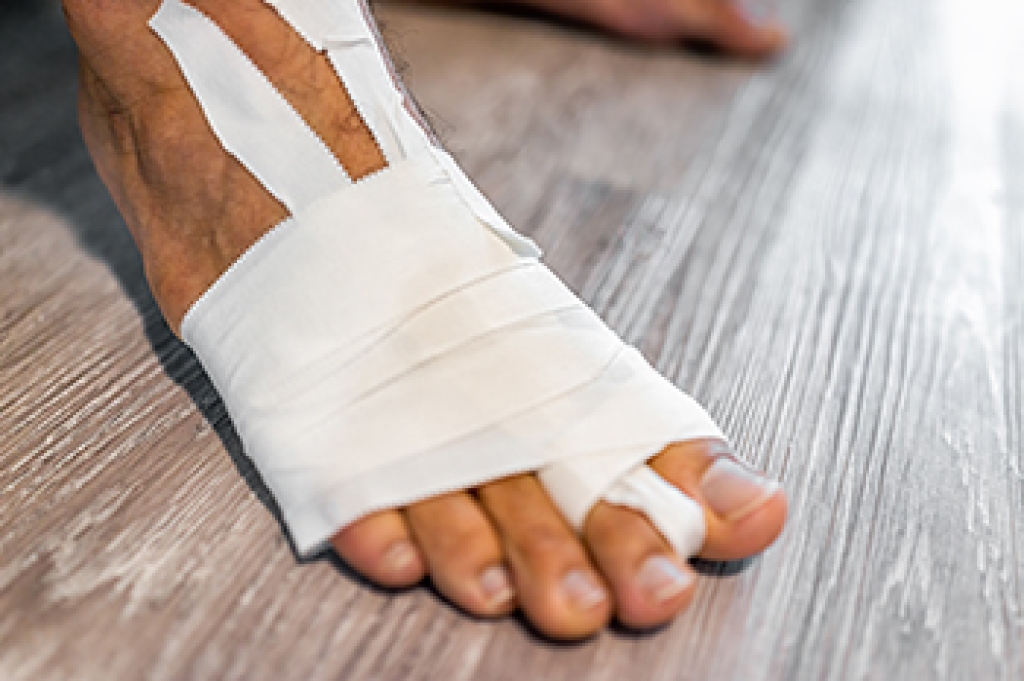
Turf toe is an injury involving the joint at the base of the big toe, usually caused when the toe bends too far upward during sports or sudden forceful movement. Mild cases involve stretching of the surrounding soft tissues, causing tenderness, mild swelling, and discomfort with push-off movements. Moderate injuries involve partial tearing, often leading to more noticeable swelling, bruising, reduced movement, and pain during walking. Severe cases involve significant tissue damage or complete tearing, making weight-bearing difficult and causing marked pain, instability, and substantial swelling. Because the big toe plays an important role in balance and forward movement, even less severe injuries can affect activity and recovery, if ignored. A podiatrist can evaluate the extent of injury, recommend imaging when needed, and guide proper treatment to support healing. If you have pain in your big toe after sports or sudden foot injury, it is strongly suggested that you visit a podiatrist for appropriate care.

Toe pain can disrupt your daily activities. If you have any concerns, contact Dr. Richard DiMario of Maine. Our doctor can provide the care you need to keep you pain-free and on your feet.

What Causes Toe Pain?

Most severe toe pain is caused due to a sports injury, trauma from dropping something heavy on the toe, or bumping into something rigid. Other problems can develop over time for various reasons.

Toe pain can be caused by one or more ailments. The most common include:

  • Trauma
  • Sports injury
  • Wearing shoes that are too tight
  • Arthritis
  • Gout
  • Corns and calluses
  • Hammertoe
  • Bunions
  • Blisters
  • Ingrown toenails
  • Sprains
  • Fractures (broken bones)
  • Dislocations

When to See a Podiatrist

  • Severe pain
  • Persistent pain that lasts more than a week
  • Signs of infection
  • Continued swelling
  • Pain that prevents walking

Diagnosis

In many cases the cause of toe pain is obvious, but in others, a podiatrist may want to use more advanced methods to determine the problem. These can range from simple visual inspections and sensation tests to X-rays and MRI scans. Prior medical history, family medical history, and any recent physical traumatic events will all be taken into consideration for a proper diagnosis.

Treatment

Treatments for toe pain and injuries vary and may include shoe inserts, padding, taping, medicines, injections, and in some cases, surgery. If you believe that you have broken a toe, please see a podiatrist as soon as possible.

If you have any questions please contact our office located in York, ME . We offer the newest diagnostic and treatment technologies for all your foot and ankle needs.

Read more about Toe Pain

Staying Comfortable on Your Feet at Work

Foot care while working is important because many jobs require long hours of standing, walking, or lifting, which can place stress on the feet. Wearing the right shoes is essential, since proper support helps reduce pressure on the heels, arches, and toes. Stretching the feet when possible can also help improve flexibility and reduce stiffness during the day. At home, basic care like resting the feet and monitoring discomfort can help prevent problems from getting worse. Without proper care, people may develop pain, swelling, or fatigue that affects daily movement. A podiatrist can evaluate foot structure, recommend supportive footwear, and provide treatment plans tailored to work-related strain. If foot discomfort continues, it is suggested that you consult a podiatrist for an evaluation and appropriate care.

While working on the feet, it is important to take the proper care of them. For more information about working on your feet, contact Dr. Richard DiMario from Maine. Our doctor will treat your foot and ankle needs.

Working on Your Feet

Standing on your feet for long periods of time can cause stress and pain in your feet. Your whole body may experience change in terms of posture, back pain, bunions, callouses and or plantar warts. There are ways to avoid these conditions with proper foot care, smart choices and correct posture.

Positive Changes

Negative heeled shoe – Choosing this shoe type places the heel slightly lower than the ball of the foot. These are great for overall foot health. Find shoes that fit you correctly.

Go barefoot – Our feet were not designed to be enclosed for all hours of the day. Try to periodically expose your feet to air.

Eliminate Pain

Foot Exercises – Performing simple exercises, incorporating yoga and doing stretches are beneficial. This will allow increased blood flow to the area and muscles of the foot.

Achilles tendon – Stretching the foot out flat on the floor will relax the calf muscles and tendon. These exercises can be performed almost anywhere. Make sure you add these exercises to your daily regimen. 

With a little bit of this information and knowing more about foot health, you will notice changes. Foot stretches and proper footwear will help with pain and prevent further issues.

If you have any questions please contact our office located in York, ME . We offer the newest diagnostic and treatment technologies for all your foot and ankle needs.

Read more about How to Handle a Long Work Day on Your Feet

How the Arches of the Foot Work

The arches of the foot play an important role in how people stand, walk, and move. Each foot has three arches that include a high inner arch, a lower outer arch, and a cross-arch near the ball of the foot. These structures are supported by strong tissues that help hold the foot together. The arches work like springs, helping to absorb shock and spread body weight with each step. They also help the foot stay flexible, which allows smooth movement while walking and running. When the arches do not function properly, too much stress can be placed on certain areas of the foot. This can lead to pain, poor balance, or changes in walking patterns. A podiatrist can examine foot structure, assess how the arches function, and order imaging tests to confirm a diagnosis. Treatment options include custom orthotics, bracing, or other methods to improve support and alignment. If you have arch pain, it is suggested that you schedule an appointment with a podiatrist for a diagnosis and appropriate treatment.

If you have any concerns about your feet, contact Dr. Richard DiMario from Maine. Our doctor can provide the care you need to keep you pain-free and on your feet.

Biomechanics in Podiatry

Podiatric biomechanics is a particular sector of specialty podiatry with licensed practitioners who are trained to diagnose and treat conditions affecting the foot, ankle and lower leg. Biomechanics deals with the forces that act against the body, causing an interference with the biological structures. It focuses on the movement of the ankle, the foot and the forces that interact with them.

A History of Biomechanics

  • Biomechanics dates back to the BC era in Egypt where evidence of professional foot care has been recorded.
  • In 1974, biomechanics gained a higher profile from the studies of Merton Root, who claimed that by changing or controlling the forces between the ankle and the foot, corrections or conditions could be implemented to gain strength and coordination in the area.

Modern technological improvements are based on past theories and therapeutic processes that provide a better understanding of podiatric concepts for biomechanics. Computers can provide accurate information about the forces and patterns of the feet and lower legs.

Understanding biomechanics of the feet can help improve and eliminate pain, stopping further stress to the foot.

If you have any questions please feel free to contact our office located in York, ME . We offer the newest diagnostic and treatment technologies for all your foot and ankle needs.

Read more about The Importance of Biomechanics in Podiatry
Connect with us