


Your feet are covered most of the day. If you're diabetic, periodic screening is important for good health. Numbness is often a sign of diabetic foot and can mask a sore or wound.
Your feet are covered most of the day. If you're diabetic, periodic screening is important for good health. Numbness is often a sign of diabetic foot and can mask a sore or wound.

An ankle fracture is a break in one or more of the bones that form the ankle joint, including the tibia, fibula, and talus. These injuries range from simple fractures to more complex patterns such as bimalleolar and trimalleolar fractures, which involve multiple parts of the ankle. Bimalleolar fractures affect both the inner and outer ankle bones, while trimalleolar fractures include the back portion of the tibia as well. These injuries often disrupt joint stability and require careful evaluation to restore proper alignment and function.
Symptoms of an ankle fracture typically include immediate pain, swelling, and difficulty bearing weight. The ankle may appear visibly deformed in more severe cases, and movement can be extremely limited. Tenderness around the joint and a feeling of instability are also common. In some cases, patients may hear or feel a snapping sensation at the time of injury. These symptoms can overlap with severe sprains, making proper diagnosis essential for effective treatment.
Ankle fractures are most often caused by trauma, including falls, sports injuries, or twisting movements that force the joint beyond its normal range. High impact activities and accidents can lead to more complex fracture patterns. Risk factors include participation in sports, poor balance, weak bone density, and wearing improper footwear. Older adults and individuals with osteoporosis are at higher risk due to decreased bone strength, which increases susceptibility to fractures even with minor trauma.
Treatment depends on the type and severity of the fracture, and may include immobilization, casting, or surgical intervention to stabilize the bones. Early care helps prevent long term complications such as joint stiffness or arthritis. If you have a broken ankle, it is suggested that you consult a podiatrist to explore appropriate treatment options.
A broken foot requires immediate medical attention and treatment. If you need your feet checked, contact Dr. Richard DiMario from Maine. Our doctor can provide the care you need to keep you pain-free and on your feet.
Broken Foot Causes, Symptoms, and Treatment
A broken foot is caused by one of the bones in the foot typically breaking when bended, crushed, or stretched beyond its natural capabilities. Usually the location of the fracture indicates how the break occurred, whether it was through an object, fall, or any other type of injury.
Common Symptoms of Broken Feet:
Those that suspect they have a broken foot shoot seek urgent medical attention where a medical professional could diagnose the severity.
Treatment for broken bones varies depending on the cause, severity and location. Some will require the use of splints, casts or crutches while others could even involve surgery to repair the broken bones. Personal care includes the use of ice and keeping the foot stabilized and elevated.
If you have any questions, please feel free to contact our office located in York, ME . We offer the newest diagnostic and treatment technologies for all your foot care needs.
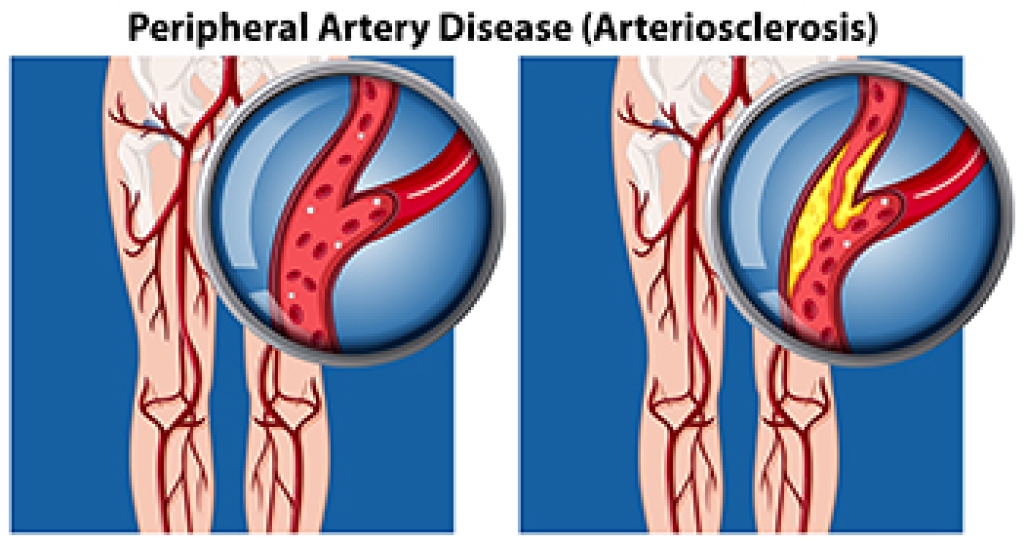
Peripheral artery disease, or PAD, develops when the arteries that carry oxygen-rich blood become narrowed by fatty deposits called plaque. As blood flow decreases, the feet and legs receive less oxygen and fewer nutrients. This can cause pain, slow healing, and changes in skin health. Smoking is a leading risk factor, although diabetes, increasing age, and high cholesterol may also contribute. Symptoms include cramping in the calves while walking, numbness, or feet that look pale or slightly bluish. Small cuts or sores can heal very slowly because healthy circulation is limited. Since these symptoms can resemble other foot problems, a careful evaluation by a podiatrist is important to identify the true cause.
A podiatrist plays an important role in recognizing signs of PAD before serious complications develop. The examination includes checking the skin, nails, temperature, and pulses in the feet. It also includes asking questions about pain while walking and changes in activity. Diagnostic testing can measure blood flow and help determine whether narrowed arteries are affecting the feet. Early diagnosis helps protect foot health and lowers the risk of severe tissue damage. In advanced cases, poor circulation can increase the chance of infection, open wounds, or loss of tissue. A podiatrist can coordinate care with other healthcare providers when circulation problems require additional evaluation.
Regular foot examinations are especially important for people with PAD because reduced blood flow makes even minor foot problems more difficult to heal. A podiatrist can monitor changes in circulation, treat foot wounds, and reduce pressure on affected areas. These measures can help prevent complications that threaten mobility. Professional podiatric care also helps identify warning signs before they become more serious. Prompt attention to pain, skin changes, or slow-healing sores can protect the feet and support better long-term health. If you have symptoms of peripheral artery disease that affect your feet, it is suggested that you schedule an appointment with a podiatrist for effective relief and management solutions.
Peripheral artery disease can pose a serious risk to your health. It can increase the risk of stroke and heart attack. If you have symptoms of peripheral artery disease, consult with Dr. Richard DiMario from Maine. Our doctor will assess your condition and provide you with quality foot and ankle treatment.
Peripheral artery disease (PAD) is when arteries are constricted due to plaque (fatty deposits) build-up. This results in less blood flow to the legs and other extremities. The main cause of PAD is atherosclerosis, in which plaque builds up in the arteries.
Symptoms
Symptoms of PAD include:
It is important to note that a majority of individuals never show any symptoms of PAD.
Diagnosis
While PAD occurs in the legs and arteries, Podiatrists can diagnose PAD. Podiatrists utilize a test called an ankle-brachial index (ABI). An ABI test compares blood pressure in your arm to you ankle to see if any abnormality occurs. Ultrasound and imaging devices may also be used.
Treatment
Fortunately, lifestyle changes such as maintaining a healthy diet, exercising, managing cholesterol and blood sugar levels, and quitting smoking, can all treat PAD. Medications that prevent clots from occurring can be prescribed. Finally, in some cases, surgery may be recommended.
If you have any questions, please feel free to contact our office located in York, ME . We offer the newest diagnostic and treatment technologies for all your foot care needs.
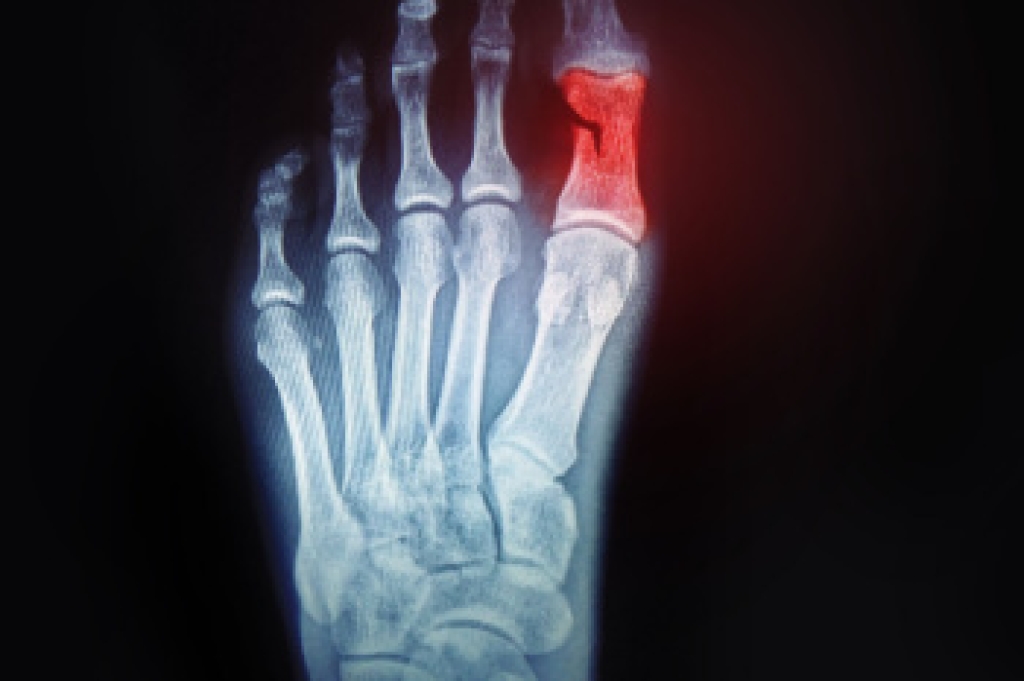
A broken toe can happen in an instant after stubbing your foot or dropping something heavy on it. Even though the injury can be very painful, some people are still able to walk on it. This makes it difficult to know whether a bone is actually broken. A broken toe can cause swelling, bruising, and tenderness. It also causes pain that can get worse while walking or wearing shoes. In some cases, the toe looks crooked or out of place. A more serious injury can leave part of a bone exposed, which requires immediate medical attention. A podiatrist can examine the injured toe and determine with an X-ray whether the damage involves a fracture or a bruise.
Stubbing a toe against furniture and dropping a heavy object on the foot are leading causes of toe fractures. Sports injuries and falls can also cause a toe to break. Tiny cracks in the bone, called stress fractures, can develop after repeated strain from certain activities, like running. People with weakened bone density have a greater chance of breaking a toe from an injury than someone with stronger bones. Ignoring a broken toe can allow the bones to heal in the wrong position. This can lead to lasting pain, difficulty wearing shoes, and problems with balance while walking.
A podiatrist can provide an exam to determine the type and severity of the injury in order to recommend the best treatment plan. Care includes reviewing symptoms, examining the position of the toe, and ordering X-rays or other imaging. Some broken toes heal with protection and close monitoring, while others require a procedure to restore proper alignment. Surgery is recommended for certain severe fractures. Early diagnosis helps reduce the risk of long-term complications and supports proper healing. If you have broken a toe, it is suggested that you schedule an appointment with a podiatrist for an accurate diagnosis and appropriate treatment.
Broken toes may cause a lot of pain and should be treated as soon as possible. If you have any concerns about your feet, contact Dr. Richard DiMario from Maine. Our doctor will treat your foot and ankle needs.
What Is a Broken Toe?
A broken toe occurs when one or more of the toe bones of the foot are broken after an injury. Injuries such as stubbing your toe or dropping a heavy object on it may cause a toe fracture.
Symptoms of a Broken Toe
Although the injured toe should be monitored daily, it is especially important to have a podiatrist look at your toe if you have severe symptoms. Some of these symptoms include worsening or new pain that is not relieved with medication, sores, redness, or open wounds near the toe.
If you have any questions please feel free to contact our office located in York, ME . We offer the newest diagnostic tools and technology to treat your foot and ankle needs.

Ankle stretches are controlled movements that improve flexibility, strength, and joint function in the ankle and surrounding structures. These exercises are essential for maintaining a full range of motion, which allows the foot and ankle to move efficiently during walking, running, and athletic activity. Proper ankle mobility helps absorb shock during impact and supports better lateral movement, which is important for balance and injury prevention. Without adequate flexibility, the ankle joint can become stiff, increasing the risk of strain and instability.
Common symptoms of limited ankle mobility include reduced movement, discomfort during activity, and a higher risk of sprains. Individuals with restricted range of motion may notice difficulty with movements like toe pointing or ankle rolling. Over time, poor mobility can affect gait patterns and place excess stress on other joints. Risk factors include a history of ankle injury, prolonged sitting, improper footwear, and lack of regular stretching. Tight calf muscles and weak stabilizing muscles can also contribute to reduced flexibility and control.
Several effective ankle stretches can improve function and stability. The cross-leg ankle stretch involves placing one ankle over the opposite knee and gently rotating the foot to increase mobility. Forward toe point and ankle rotation exercises encourage controlled movement by pointing the toes away from the body and rotating the ankle in circular motions. Seated ankle stretches allow for focused control while reducing weight bearing stress. These movements help strengthen the joint, improve circulation, and support coordinated motion.
Incorporating ankle stretches into a daily routine can enhance performance and reduce the risk of injury. Improved flexibility allows the ankle to absorb shock more effectively and adapt to uneven surfaces. Consistent practice also promotes better balance and coordination. If you have an ankle injury or pain, it is suggested that you consult a podiatrist who can offer effective treatment solutions, and additional ankle stretches tailored to your needs.
Why Stretching Is Important for Your Feet
Stretching the feet is a great way to prevent injuries. If you have any concerns with your feet consult with Dr. Richard DiMario from Maine. Our doctor will assess your condition and provide you with quality foot and ankle treatment.
Stretching the Feet
Stretching the muscles in the foot is an important part in any physical activity. Feet that are tight can lead to less flexibility and make you more prone to injury. One of the most common forms of foot pain, plantar fasciitis, can be stretched out to help ease the pain. Stretching can not only ease pain from plantar fasciitis but also prevent it as well. However, it is important to see a podiatrist first to determine if stretching is right for you. Podiatrists can also recommend other ways to stretch your feet. Once you know whether stretching is right for you, here are some excellent stretches you can do.
It is best to go easy when first stretching your foot and work your way up. If your foot starts hurting, stop exercising to ice and rest the foot. It is advised that you then see a podiatrist for help.
If you have any questions please contact our office located in York, ME . We offer the newest diagnostic and treatment technologies for all your foot and ankle needs.