


Custom orthotics, or shoe inserts, should be periodically replaced. Orthotics must fit properly to give you the best results. Protect your feet and ankles!
Custom orthotics, or shoe inserts, should be periodically replaced. Orthotics must fit properly to give you the best results. Protect your feet and ankles!
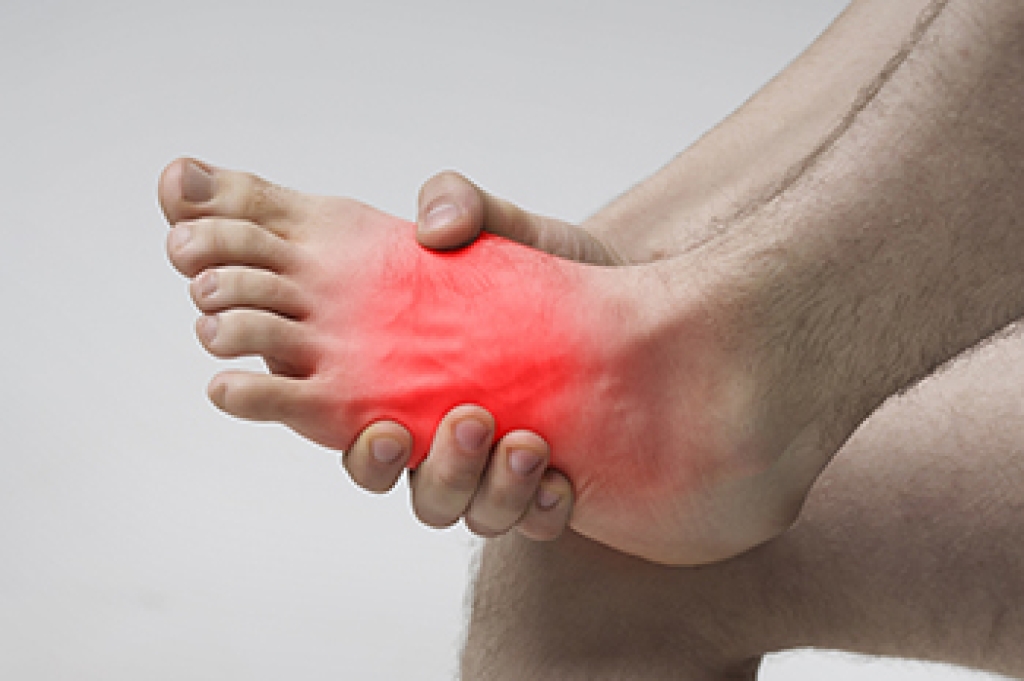
Midfoot arthritis develops when cartilage in the arch of the foot deteriorates, causing pain, stiffness, and swelling. It often results from injury, aging, or long-term wear-and-tear on the joints. Many people notice discomfort during push-off when walking or while standing for long periods of time. Treatment focuses on relieving pain and maintaining mobility. Non-surgical options include wearing supportive footwear, custom orthotics, anti-inflammatory medications, and targeted exercises. When symptoms progress, corticosteroid injections or surgical fusion may be considered to stabilize the joints and reduce pain. If untreated, midfoot arthritis may worsen, leading to chronic pain, deformity, and limited activity. Early care helps preserve function and prevent complications. If you are experiencing ongoing foot pain or stiffness, it is suggested you see a podiatrist for an evaluation and appropriate treatment.
Arthritis can be a difficult condition to live with. If you are seeking treatment, contact Dr. Richard DiMario from Maine. Our doctor can provide the care you need to keep you pain-free and on your feet.
Arthritic Foot Care
Arthritis is a joint disorder that involves the inflammation of different joints in your body, such as those in your feet. Arthritis is often caused by a degenerative joint disease and causes mild to severe pain in all affected areas. In addition to this, swelling and stiffness in the affected joints can also be a common symptom of arthritis.
In many cases, wearing ill-fitting shoes can worsen the effects and pain of arthritis. Wearing shoes that have a lower heel and extra room can help your feet feel more comfortable. In cases of rheumatoid arthritis, the arch in your foot may become problematic. Buying shoes with proper arch support that contour to your feet can help immensely.
Alleviating Arthritic Pain
It is best to see your doctor for the treatment that is right for your needs and symptoms. Conditions vary, and a podiatrist can help you determine the right method of care for your feet.
If you have any questions please feel free to contact our office located in York, ME . We offer the newest diagnostic tools and technology to treat your foot and ankle needs.

Gout is a form of inflammatory arthritis caused by a buildup of uric acid in the body, leading to crystal deposits in joints. It commonly affects the feet, especially the big toe, causing intense pain, redness, swelling, and difficulty walking. Certain foods high in purines, such as red meat, shellfish, and sugary beverages, may trigger gout attacks. To help prevent flare-ups, a diet rich in fruits, vegetables, whole grains, and plenty of water is recommended. Risk factors include obesity, genetics, and certain medical conditions. A podiatrist can diagnose gout, relieve pain, and create a personalized treatment plan. Gout can be very painful, and may cause difficulty in completing daily activities. If you have pain in your big toe, it is suggested that you promptly consult a podiatrist who can treat this painful condition.
Gout is a foot condition that requires certain treatment and care. If you are seeking treatment, contact Dr. Richard DiMario from Maine. Our doctor will treat your foot and ankle needs.
What Is Gout?
Gout is a type of arthritis caused by a buildup of uric acid in the bloodstream. It often develops in the foot, especially the big toe area, although it can manifest in other parts of the body as well. Gout can make walking and standing very painful and is especially common in diabetics and the obese.
People typically get gout because of a poor diet. Genetic predisposition is also a factor. The children of parents who have had gout frequently have a chance of developing it themselves.
Gout can easily be identified by redness and inflammation of the big toe and the surrounding areas of the foot. Other symptoms include extreme fatigue, joint pain, and running high fevers. Sometimes corticosteroid drugs can be prescribed to treat gout, but the best way to combat this disease is to get more exercise and eat a better diet.
If you have any questions, please feel free to contact our office located in York, ME . We offer the newest diagnostic and treatment technologies for all your foot care needs.

A podiatrist is a medical specialist dedicated to diagnosing and treating conditions that affect the feet and lower limbs. These foot experts manage a wide range of issues, including hammertoe, bunions, toenail disorders, arthritis, and complications related to diabetes that can impact circulation and nerve health. Because the feet support the entire body, even minor problems can lead to significant discomfort and mobility challenges if left untreated. Podiatrists provide comprehensive care through accurate diagnosis, personalized treatment plans, and preventive strategies to maintain long-term foot health. Their expertise helps patients stay active and avoid more serious complications. If you have foot pain or concerns, it is suggested that you consult a podiatrist who can accurately diagnose and treat foot and ankle conditions.
If you are experiencing pain in the feet or ankles, don’t join the stubborn majority refusing treatment. Feel free to contact Dr. Richard DiMario from Maine. Our doctor can provide the care you need to keep you pain-free and on your feet.
What Is a Podiatrist?
Someone would seek the care of a podiatrist if they have suffered a foot injury or have common foot ailments such as heal spurs, bunions, arch problems, deformities, ingrown toenails, corns, foot and ankle problems, etc.
Podiatric Treatment
A podiatrist will treat the problematic areas of the feet, ankle or lower leg by prescribing the following:
A common podiatric procedure a podiatrist will use is a scanner or force plate which will allow the podiatrist to know the designs of orthotics. Patients are then told to follow a series of tasks to complete the treatment. The computer will scan the foot a see which areas show weight distribution and pressure points. The podiatrist will read the analysis and then determine which treatment plans are available.
If you have any questions, please feel free to contact our office located in York, ME . We offer the newest diagnostic and treatment technologies for all your foot care needs.
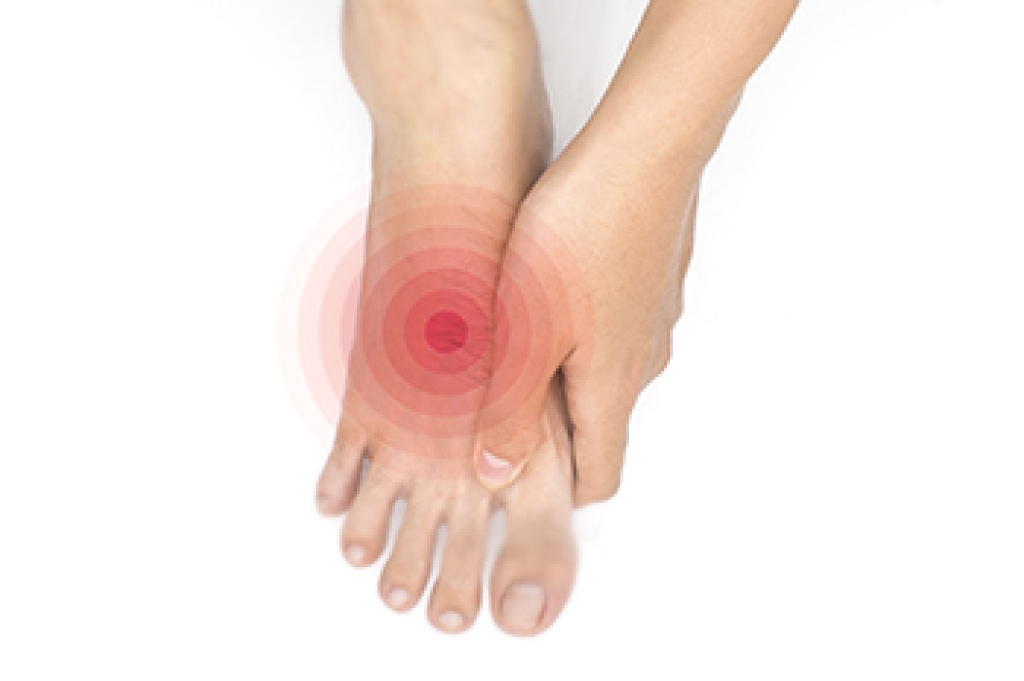
Foot problems do not always feel the same, even when they are serious. In people with poor circulation, extra pressure on the feet often causes pain. In those with diabetes and nerve damage, that same pressure may lead to open sores without any discomfort. This difference can delay care and allow wounds to worsen. Circulation issues usually begin in larger blood vessels higher in the leg, while diabetes-related changes often affect smaller vessels in the lower leg and foot. Diabetes can also cause stiffened vessels and tiny areas of low oxygen in the skin, further limiting healing. Because feeling is reduced, a lack of pain does not mean a lack of danger. Care must focus on relieving pressure and treating wounds early, while also checking blood flow. If you have diabetes and notice changes in your feet, it is suggested that you see a podiatrist for a thorough evaluation and appropriate care.
Peripheral artery disease can pose a serious risk to your health. It can increase the risk of stroke and heart attack. If you have symptoms of peripheral artery disease, consult with Dr. Richard DiMario from Maine. Our doctor will assess your condition and provide you with quality foot and ankle treatment.
Peripheral artery disease (PAD) is when arteries are constricted due to plaque (fatty deposits) build-up. This results in less blood flow to the legs and other extremities. The main cause of PAD is atherosclerosis, in which plaque builds up in the arteries.
Symptoms
Symptoms of PAD include:
It is important to note that a majority of individuals never show any symptoms of PAD.
Diagnosis
While PAD occurs in the legs and arteries, Podiatrists can diagnose PAD. Podiatrists utilize a test called an ankle-brachial index (ABI). An ABI test compares blood pressure in your arm to you ankle to see if any abnormality occurs. Ultrasound and imaging devices may also be used.
Treatment
Fortunately, lifestyle changes such as maintaining a healthy diet, exercising, managing cholesterol and blood sugar levels, and quitting smoking, can all treat PAD. Medications that prevent clots from occurring can be prescribed. Finally, in some cases, surgery may be recommended.
If you have any questions, please feel free to contact our office located in York, ME . We offer the newest diagnostic and treatment technologies for all your foot care needs.