


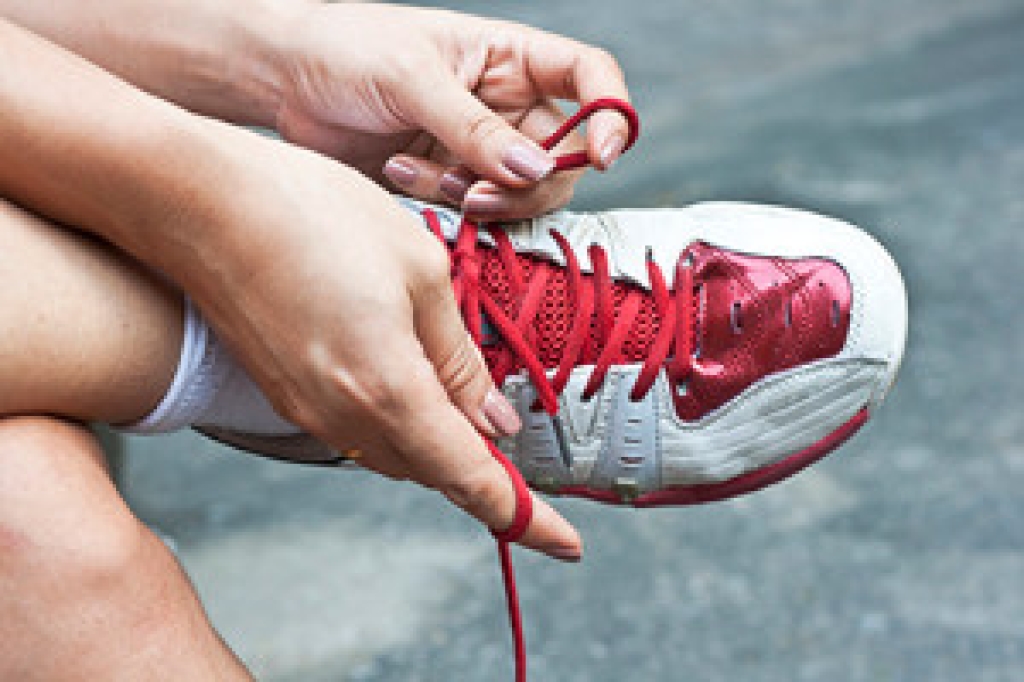
The right pair of running shoes can make every step feel easier, lighter, and more stable. Since feet vary widely in shape, flexibility, and arch height, the shoe that works for someone else may not be the best match for you. A good fit begins with understanding how your foot moves. Some runners roll inward, others outward, and many stay fairly centered, and each pattern benefits from different levels of support. Cushioning also matters because it absorbs repetitive impact and helps protect the heel and forefoot during longer distances. Trying on shoes later in the day, when your feet are slightly larger, often leads to a more accurate fit. There should be enough room in the toe box for natural movement without slipping at the heel. If you are dealing with discomfort, recurring injuries, or unsure of which type of shoe can keep you comfortable and efficient, it is suggested that you see a podiatrist for expert guidance.
You should always make sure your running shoes fit properly in order to avoid injury. For more information, contact Dr. Richard DiMario from Maine. Our doctor can provide the care you need to keep you pain-free and on your feet.
Choosing the Right Running Shoe for Your Foot Type
Improper shoe sizing can cause a myriad of problems for your feet. Shoes that don’t fit you properly can lead to muscular imbalances in your body, which can result in foot, knee, and hip injuries.
Tips for Finding the Right Running Shoe
- Make sure you have a thumb’s width of wiggle room between the end of your longest toe and the front of the shoe.
- There should be little to no slipping at the heel
- Don’t assume your size in one shoe brand will be your size in another
- Do not lace up your shoes too tightly
- Walk around in the store with your new shoes before you buy them
If you have any questions, please feel free to contact our office located in York, ME . We offer the newest diagnostic and treatment technologies for all your foot care needs.